

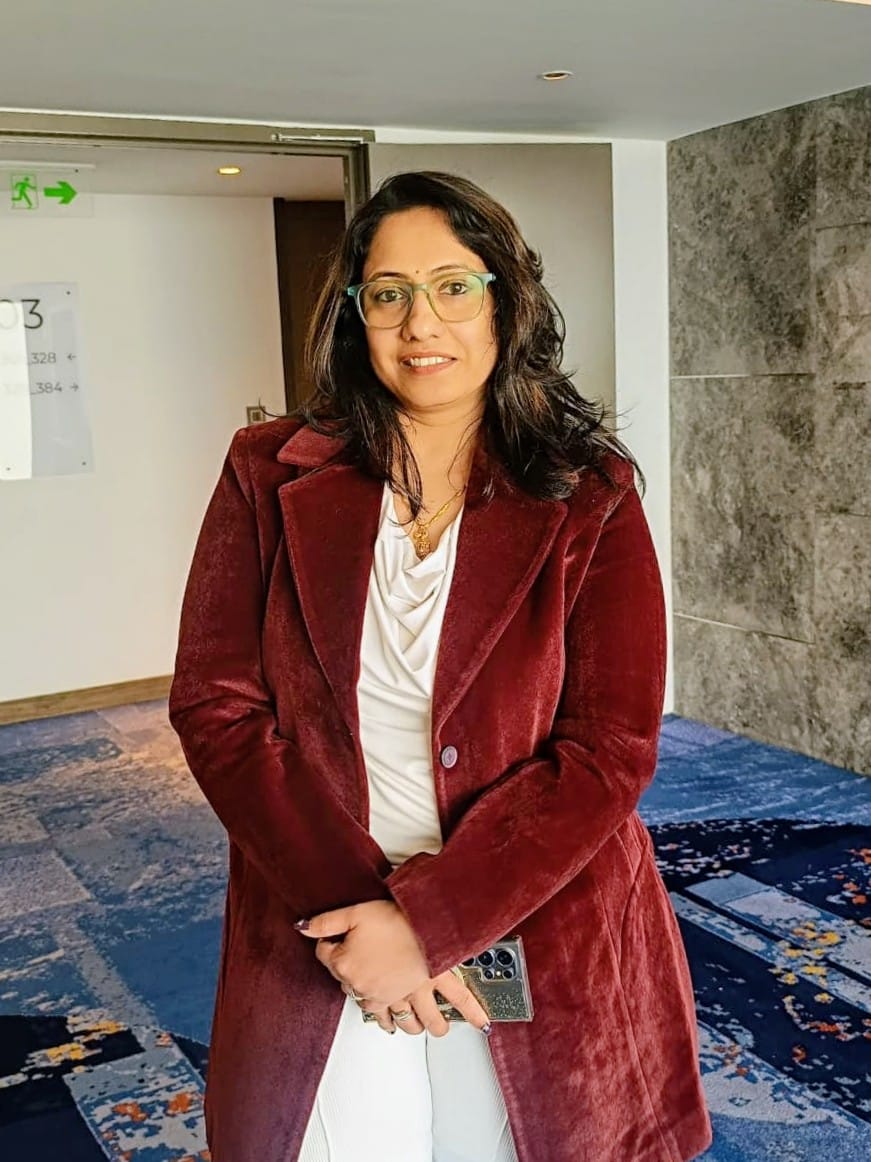
Dr. Sumana Talakokkula, MBBS,OBGYN, FMAS, PGCHCM is a Senior Consultant Obstetrician , Gynecologist and CEO at Apollo Hospital, Hyderabad ,OBG guru international LLC ,Director of Revola pharma with over 18 years of clinical experience. She is widely recognized for her expertise in high-risk pregnancy management, minimally invasive gynecologic surgery, infertility care, and aesthetic & cosmetic gynecology.
A distinguished healthcare leader, Dr. Sumana serves as a department head, educator, and mentor, actively training medical students, residents, and young specialists. She has been honoured with multiple awards, including the Outstanding Leadership Award in Health, the Excellence in Clinical Practice Award, and recognitions from international healthcare forums for her contributions to women’s health.
Dr. Sumana is deeply involved in research and advocacy in areas such as uterine fibroids, vascular health, maternal and infant care, and artificial intelligence in Obstetrics & Gynecology. She has presented her work at national and international conferences and is currently authoring a book on AI in OBGYN.
An ambassador of digital transformation in healthcare, she actively promotes telemedicine, EMR adoption, robotic innovations, and data-driven decision-making in hospitals. Beyond clinical practice, she engages in community education, public awareness campaigns, and strategic healthcare consulting.
Her mission is to *empower women through compassionate, technologically advanced, and patient-centric healthcare*, and to inspire the next generation of doctors to lead with knowledge, empathy, and innovation.
Women’s health has undergone a remarkable transformation over the last few decades. Yet, despite advances in medicine, technology, and healthcare delivery, millions of women across the world continue to face silent suffering—whether it is due to reproductive health conditions, delayed diagnoses, lack of awareness, or limited access to quality care. As an OBGYN practicing in one of India’s busiest healthcare ecosystems, my journey has shown me that truly improving women’s health demands more than clinical expertise. It requires a blend of innovation, empathy, systemic leadership, and a relentless commitment to education.
A Journey Rooted in Care and Compassion
For more than a decade, my work as a consultant obstetrician and gynecologist has brought me face-to-face with the real challenges women experience: endometriosis that steals away their daily comfort, infertility that affects relationships and emotional well-being, fibroids that are neglected until they become debilitating, and high-risk pregnancies that require multidimensional care.
My clinical journey has taught me that healthcare is not just about treating diseases—it is about empowering women with knowledge, dignity, and confidence in their own bodies. This principle guides every patient interaction, every community initiative, and every professional leadership role I take on.
The Digital Shift in Women’s Healthcare
We live in a time when healthcare is merging with technology at an unprecedented pace. Artificial Intelligence (AI), telemedicine, wearable devices, and data-driven systems are redefining how we diagnose, communicate, and manage care.
My research and recent speaking engagements across national and international platforms have focused on this intersection of medicine and technology—particularly *AI in Obstetrics and Gynecology*.
AI is no longer a futuristic concept; it is already improving maternal health outcomes, predicting high-risk pregnancies, assisting in fetal monitoring, enhancing diagnostic imaging, and standardizing clinical documentation. With proper implementation, AI can:
* Reduce errors in obstetric emergencies
* Enable early detection of complications
* Improve IVF and infertility outcomes
* Support decision-making for gynecologic surgeries
* Bridge gaps in rural healthcare accessibility
The next decade will belong to healthcare systems that embrace digital transformation. It is my mission to ensure that the medical community—especially young doctors and trainees—learns to harness these emerging tools ethically and effectively.
Leadership Beyond the Operating Room
Beyond clinical responsibilities, I have been privileged to serve in leadership roles, manage hospital departments, conduct workshops, contribute to policy conversations, and train the next generation of doctors. Leading teams through high-pressure situations has reinforced one belief:
Strong healthcare leadership is not about authority; it is about vision, teamwork, and responsiveness.
Through various educational programs, I advocate for:
* A Continuous Learning Culture among doctors
* Adopting Evidence-Based Practices
* Digitization of medical records for better quality of care
* Ethical use of AI and robotics
* Strengthening maternal and neonatal care systems
Healthcare leadership today requires adaptability, technological awareness, emotional intelligence, and a commitment to patient-centric care. I continue to integrate these principles into every organization and initiative I am part of.
Championing Women’s Wellness: Awareness as a Catalyst
Awareness remains the biggest gap in women’s health. Conditions like PCOS, endometriosis, infertility, menopausal issues, cervical cancer, and postpartum depression often remain unaddressed for years.
Through my community engagements, media interactions, and educational campaigns, I aim to bring these topics into mainstream conversations. When women are informed, they seek help earlier—leading to healthier families and healthier societies.
Innovation, Empowerment, and the Future
From clinical practice to digital healthcare systems, from medical education to public awareness, my vision is clear:
*To build a future where women receive timely, compassionate, advanced, and dignified healthcare—no matter where they come from.*
As India advances in healthcare technology and accessibility, we have a historic opportunity to create stronger maternal health systems, integrate robotics and AI into routine gynecologic practice, and elevate medical training to global standards.
I remain committed to being a catalyst in this transformation—through clinical excellence, research, leadership, and continuous advocacy for women’s health.
___________________


